RID Pest Control is seeking a trainee pest management technician to join our team. We’re a busy local, family business and the leading name in pest control here in Ballarat, Victoria.
Due to consistent growth and demand for our services we require a trainee pest management technician willing to learn all aspects of general pest control, commercial pest control and termite management.
We’re also on the lookout for qualified, licensed and experienced superstars to join our family! We offer significant incentives and earning potential!
We will back the successful candidate with industry leading training, mentoring and development to empower them to succeed and grow within our business.
A hands on role with great variety, flexibility (4on 3off available) and well above award wages.
We need you to have:
- A positive, achieving attitude;
- A full manual drivers license;
- Strong ability to listen and learn;
- Top notch communication and customer service skills;
- No fear of entering tight places such as roof voids and sub floors safely;
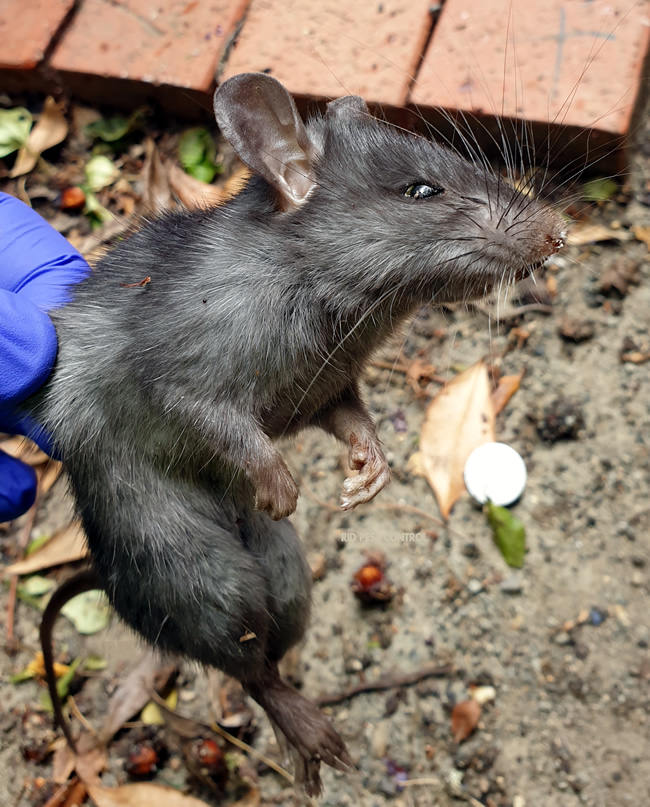
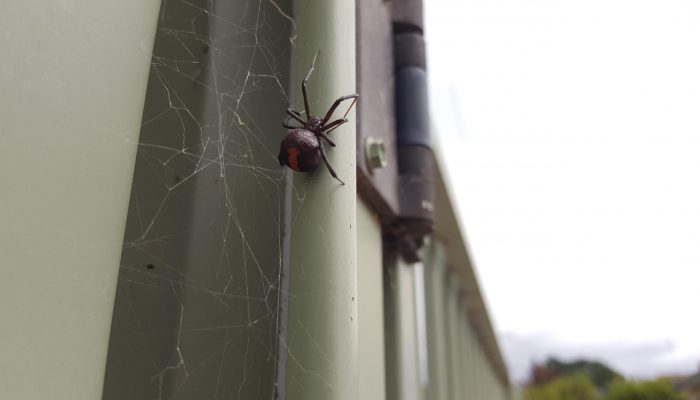
- An interest in all things creepy and crawly and won’t scream and run on sight;
- Be current with both covid and flu vaccinations pursuant to client requirements;
At RID Pest we believe in providing you with all the experience and knowledge required to become a fully qualified pest management technician so you can grow into a self starter who can take pride in your work and think of working for RID as a passion not just a pay packet.
We would equally be delighted to hear from anyone with full qualifications and experience in our industry seeking a tree change and can offer assistance in relocating to the amazing Ballarat region along with negotiable wages ($60k-$80k) that will exceed industry standards, like we do!
Please send a covering letter and resume ASAP so we can get you in for lunch or coffee to talk about this exciting offer. Applications close January 16, 2023 at 5pm applicants will be contacted within 2 business days from receipt of application and we are able to get you started before the closing date for applications.
Apply To:
David Ward
Director
RID Pest Control
accounts@ridpest.com.au