Pest Control Blog
  • Home
  • About
  • Consumer Questions
  • FAQ
  • Rid Pest Control’s Site

Categories

  • Articles (10)
  • Bed Bugs (1)
  • Bees & Wasps (1)
  • DIY Pest Control (2)
  • General Pests (3)
  • Industry News (1)
  • Insect Trivia (1)
  • Natural Pest Control (2)
  • Pest Control (4)
  • Pest Control Products (1)
  • Polls (1)
  • Possums (1)
  • Quick Information (4)
  • Quick Tips (2)
  • Snails & Slugs (2)
  • Spiders (2)
  • Termites (3)

Links

  • Add To Technorati Favorites
  • BugZap Pest Control
  • PEST CONTROL STORE
  • Possum Busters
  • RID Pest Control Ballarat
  • Stick Insects

Archives

  • February 2008
  • January 2008
  • December 2007
  • November 2007
  • October 2007

Menu

  • Log in
  • Subscribe RSS 2.0

  • Environment Blogs - Blog Catalog Blog Directory
  • Add to Google
  • Add to My Yahoo!
  • Subscribe with Bloglines
  • Add to Technorati Favorites!

Useful Ads

Bandicoots
Posted on February 7, 2008 in Articles by James - Rid Pest Control3 Comments »


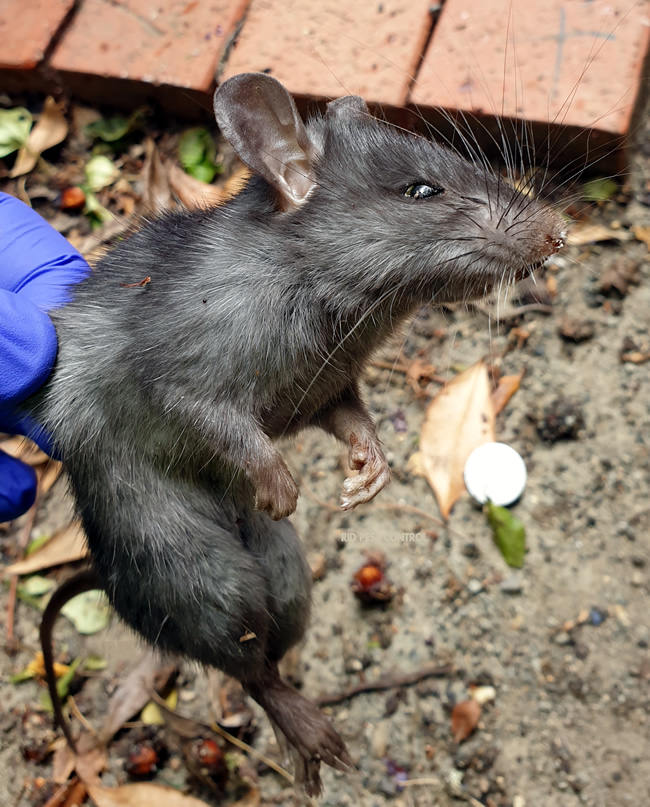
Frequently mistaken for rodents, bandicoots are small, omnivorous marsupials, found throughout Australia.

Once extremely common in suburban backyards, land clearing removed their natural habitat and refuges, and for many years there was a drastic decline in the population and distribution. In recent times there has been a small resurgence, and once again they seem to be a presence in coastal areas of NSW.clip_image002

Bandicoots are able to live in a wide variety of habitats, ranging from rainforests to wet and dry woodlands and coastal heath land. They are seldom seen during the day and mainly forage at night.

The long-nosed bandicoot (Perameles nasuta) is the most common and widespread throughout NSW, particularly in coastal areas and either side of the Great Dividing Range. This species is also the most common in the Sydney area. They are perhaps best known for the conical snout-shaped divots they leave in suburban lawns. These holes are sometimes blamed on rabbits.

Food Preferences

Bandicoots have an acute sense of smell and can easily detect grubs and worms below the surface of lawns. Their diet is wide and varied. They eat insects, earthworms, insect larvae and spiders, and also feed on plant tubers, roots and some fungi to supplement their diet. They seem to relish worms and grubs, and for this reason they can be useful in gardens if the homeowner can be forgiving of the series of small holes in the lawn. Having a bandicoot forage for grubs in your back yard should be seen as a privilege not a curse.

Before white settlement, very few native animals preyed on bandicoots. Owls, quolls and dingos were their only significant natural predators. However that has changed dramatically with the introduction of domestic animals such as cats, dogs. Feral cats and foxes are now a significant threat.

Long-nosed bandicoots are about the size of a rabbit, have a dull grey-brown coat and a cream underbelly. They build their nests in shallow holes in the ground or hollow logs. They line their nests with leaf litter. They often make nests under debris, which hides them from predators and protects them from rain and sun.

Males and females nest together, both being territorial with the male establishing a dominant hierarchy. They breed throughout the year and give birth to an average of two or three young.

Living in Harmony with Bandicoots

Bandicoots are protected in NSW, and it is illegal to trap or kill them without a licence. Keeping pets locked up at night can assist in ensuring their continued survival.

If the small amount of garden damage they do cant be tolerated, they can be kept out by installing a simple bandicoot proof fence. Fine galvanised wire mesh only need be used. The bottom of the mesh should be buried to a depth of at least 150 mm, and the fence should rise at least 500 mm above the ground.

Ticks

Bandicoots do act as hosts for the paralysis tick. However, blame for the discovery of ticks in your back yard should not be immediately levied against these creatures as they tend to roam over a comparatively small range, often staying within half a hectare of their nests. As a result, they are less exposed to the risk of ticks. A more likely source is roaming cats and dogs.

Bandicoots also assist in stimulating natural regeneration by turning over the soil and creating disturbance, acting as a trigger for regeneration of native plants.

Technorati Tags: pest control,wildlife,bandicoot

3 Responses to “Bandicoots”

  1. on 01 Apr 2009 at 3:35 pm1James - Rid Pest Control

    I received a postthat discussed ways of killing Bandicoots. It was deleted primarily because these creatures are protected fauna.
    Apart from digging the odd small hole in your lawns, they do no harm.
    In fact, they are often after pests that are also harmful to lawns, such as African Black Beetle and their lavae.

  2. on 03 Apr 2011 at 3:53 am2mick poore

    I have a large bandicoot that seems to enjoy comming into my garage at night and havining a good sniff around. Provided you are quiet and still, he seems to come up very close and hang around. I can email you pictures if you like.

  3. on 16 Oct 2011 at 7:22 am3Robert Cody

    I’m not actually from Australia- I am an American. This article is fabulous, and quite informative. Australia has some fascinating flora and fauna- it would be wonderful to experience it first hand someday! Thanks for publishing this.

© Copyright 2007 James Driver - Design by Brad Ward